
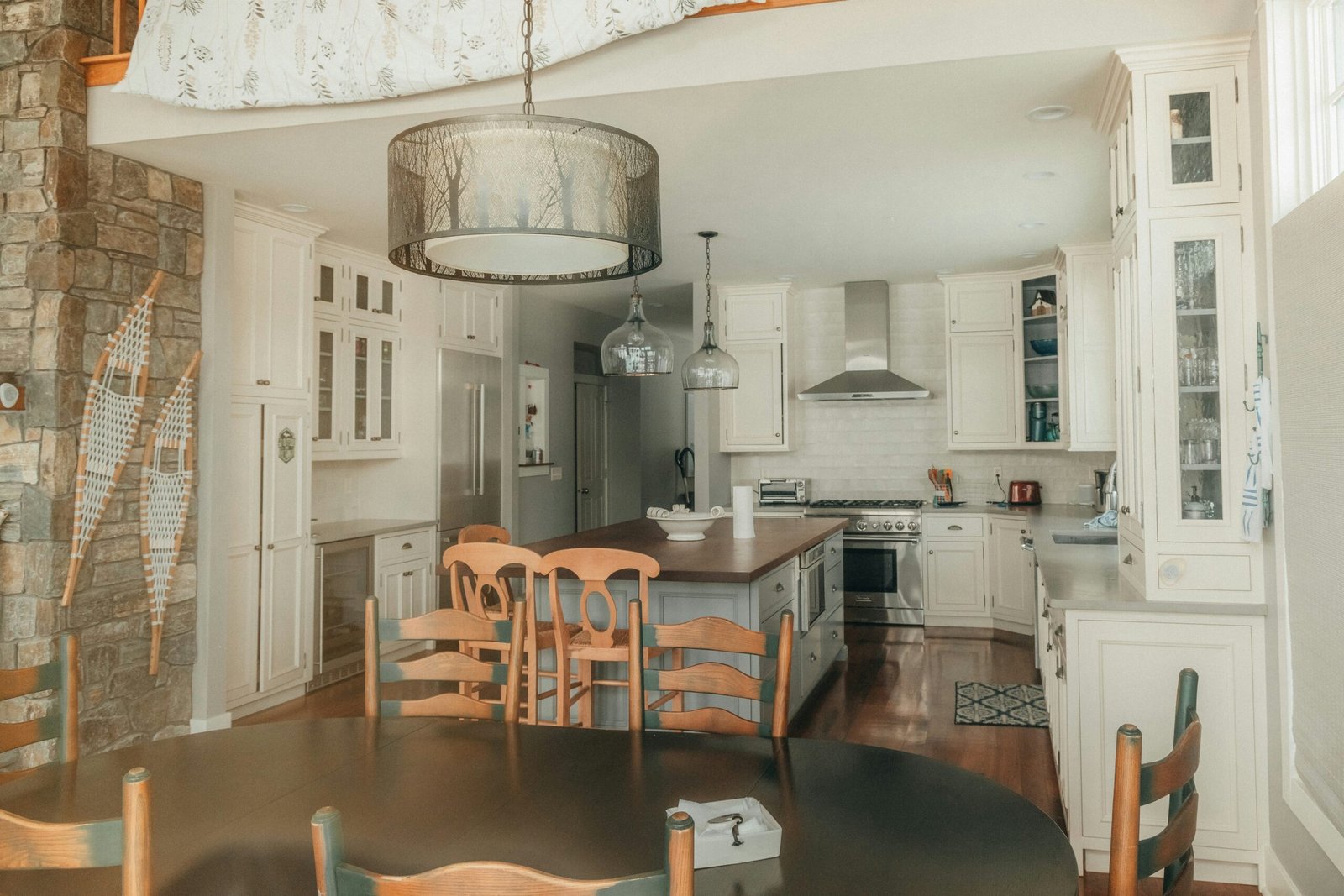
Small spaces have a reputation problem. People assume that less square footage automatically means less comfort, less style, and less livability. But that reputation is completely outdated.
In 2026, living small isn’t a compromise — it’s a design challenge that, when solved well, creates homes that feel intentional, calm, and surprisingly spacious. Whether you’re in a studio apartment, a compact house, or just a single room that needs to work harder, the principles are the same: smarter choices, not more stuff.
This guide is packed with practical, design-forward ideas you can actually implement — no full renovation required.
Start With the Right Mindset: Less Is More, But Only If It’s Strategic
The first thing to understand about small space living is that the goal is never just to “fit more in.” That thinking leads to cramped rooms, over-stuffed shelves, and the constant low-level stress of clutter.
The real goal is to make every item in your home earn its spot. When you start approaching your space that way — asking “does this serve a real purpose here?” — everything gets easier.
The tiny home movement has been teaching this lesson for years. With housing costs rising and more people choosing intentional downsizing, micro-living isn’t a passing trend. It’s a fundamental shift in how we think about home, possessions, and what we truly need to live well.
So before you buy a single new storage solution, start by subtracting. Donate what you don’t use. Clear out what you keep “just in case.” The best small space hack isn’t a product — it’s editing.
Think Vertically: Your Walls Are Untapped Real Estate
Most people design with only the floor in mind. They consider what goes at eye level, what fits on the couch, what sits on the coffee table. But interior designer Brad Thornton of Thornton Projects makes it clear: the secret to making a small space feel expansive is to think vertically.
“Anything that draws attention upward instantly adds a sense of height and breathing room,” Thornton explains. When the eye travels up, the brain registers a taller, larger space — even if the square footage hasn’t changed.
Here’s how to put that into practice:
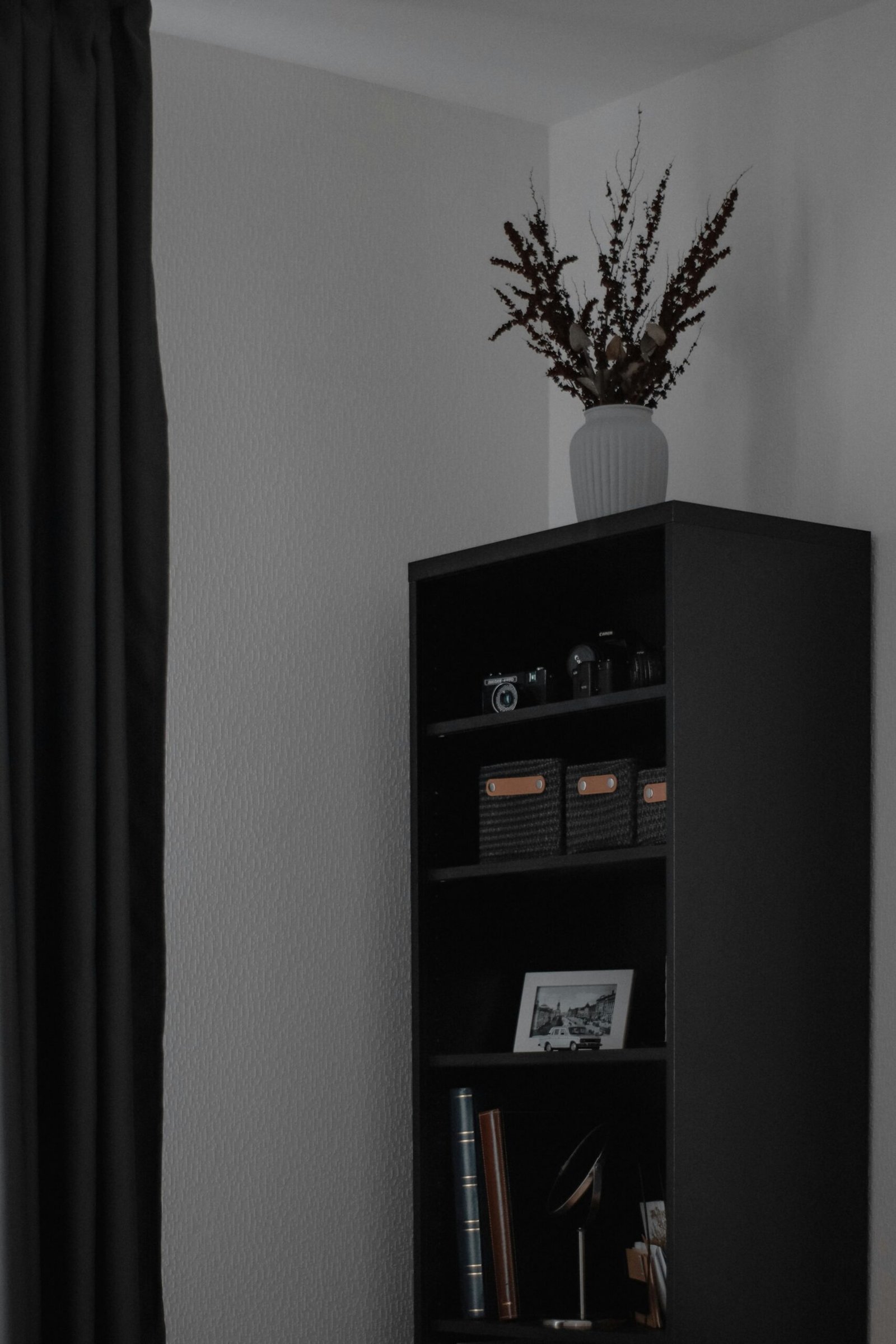
Floor-to-ceiling shelving is the most powerful vertical move you can make. Instead of a short bookcase that stops at shoulder height, take shelving all the way to the ceiling. You gain significant storage, and the visual effect makes your walls feel like they go on forever.
Tall curtains hung high — mounted close to the ceiling rather than at window height — create the same illusion. The eye follows the fabric upward, and the room feels taller.
Floating wall shelves above doorways, desks, and beds reclaim dead space that would otherwise go completely unused. These are perfect for books, plants, or storage baskets.
The principle is simple: the more you use your vertical space, the more your floor space opens up.
Multifunctional Furniture Is Non-Negotiable
In a small home, every piece of furniture needs to justify itself twice. If it only does one thing, it’s probably not earning its place.
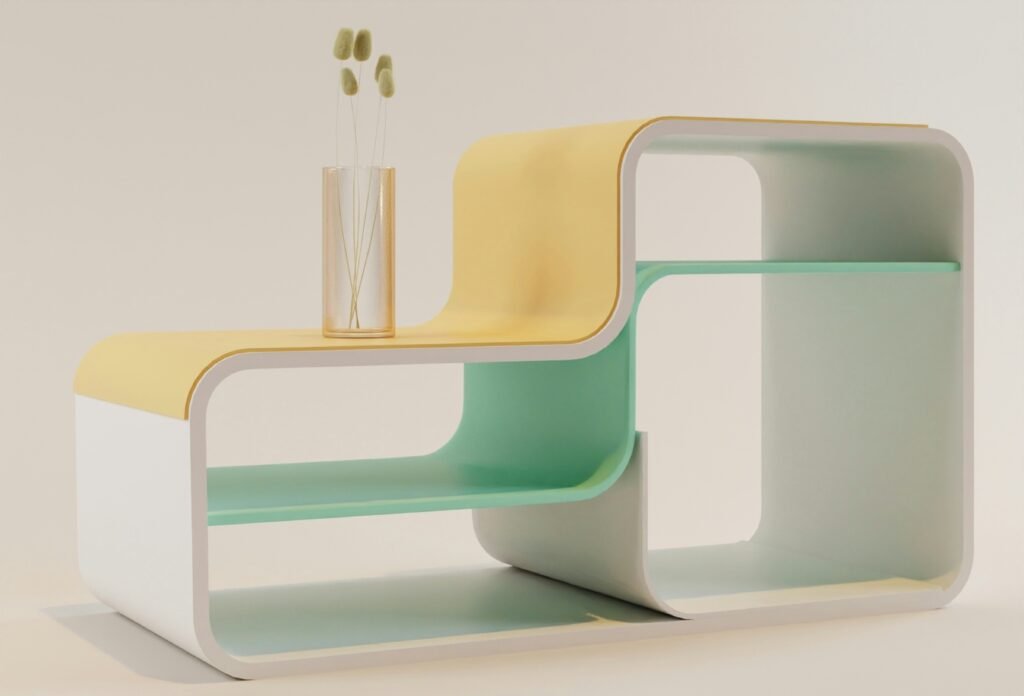
The best multifunctional furniture in 2026 is no longer cheap-looking or obviously “space-saving” — it’s high-quality, design-forward, and genuinely transformable.
Beds with built-in storage drawers are one of the simplest and most impactful upgrades for a small bedroom. Instead of buying a separate dresser (which takes up floor space), you store clothing and linens underneath where you sleep. It’s a completely invisible storage solution.
Murphy beds (wall-mounted fold-down beds) have made a serious comeback — and the new designs are beautiful. A murphy bed that folds into a wall unit with a desk or sofa transforms a bedroom into a full living and working space during the day. For studio apartments, this single piece of furniture changes everything.
Storage ottomans do triple duty as seating, a footrest, and hidden storage. Replacing a traditional coffee table with an ottoman adds flexibility — it can serve as a surface, be moved aside when needed, and store blankets or games inside.
Nesting tables are another brilliant choice. A set of two or three tables that tuck under one another takes up the footprint of a single table, but expands when you need more surface area for guests or projects.
The rule of thumb: if a furniture piece only does one thing, see if you can find a version that does two.
Use Light and Color to Visually Expand the Space
You don’t need to knock down walls to make a room feel bigger. The way you use light and color has an enormous psychological impact on perceived space.
Light, neutral color palettes reflect more light and make rooms feel open and airy. Soft whites, warm beiges, muted greens, and pastel blues are the dominant palette choices for small spaces in 2026 — not because they’re trendy, but because they genuinely work. These tones create a clean, relaxing foundation without visually crowding the room.
Mirrors are a designer’s best friend in compact spaces. A well-placed mirror bounces light around, opens up dark corners, and tricks the eye into perceiving more depth. Even a single large mirror on a focal wall can make a room feel almost double its size. For a more playful approach, a gallery wall of smaller thrifted mirrors achieves the same effect with more character.
Natural light is irreplaceable. Keep window treatments light and simple — sheer curtains or linen drapes that let sunlight through without blocking it. Avoid heavy, dark curtains that swallow the light and make a room feel smaller and heavier.
Layered lighting matters too, especially in multi-purpose rooms. Rather than relying on a single overhead light, use a mix of floor lamps, table lamps, and under-shelf lighting to create warmth and dimension. Dimmer switches let you adjust the mood of a space without changing anything physical.
Zone Your Space Without Building Walls
In studio apartments and open-plan layouts, one of the biggest challenges is making one room feel like multiple spaces. The solution isn’t walls — it’s zoning.
Creating distinct zones gives your brain structure, even when everything technically happens in the same room. A well-zoned studio feels like a home with different rooms. A poorly zoned one just feels like a box.
Rugs are the most powerful zoning tool available. A rug under the sofa and coffee table instantly defines the living area. A separate rug under the dining table creates the dining zone. No walls, no dividers — just clear visual anchors that tell you where one space ends and another begins.
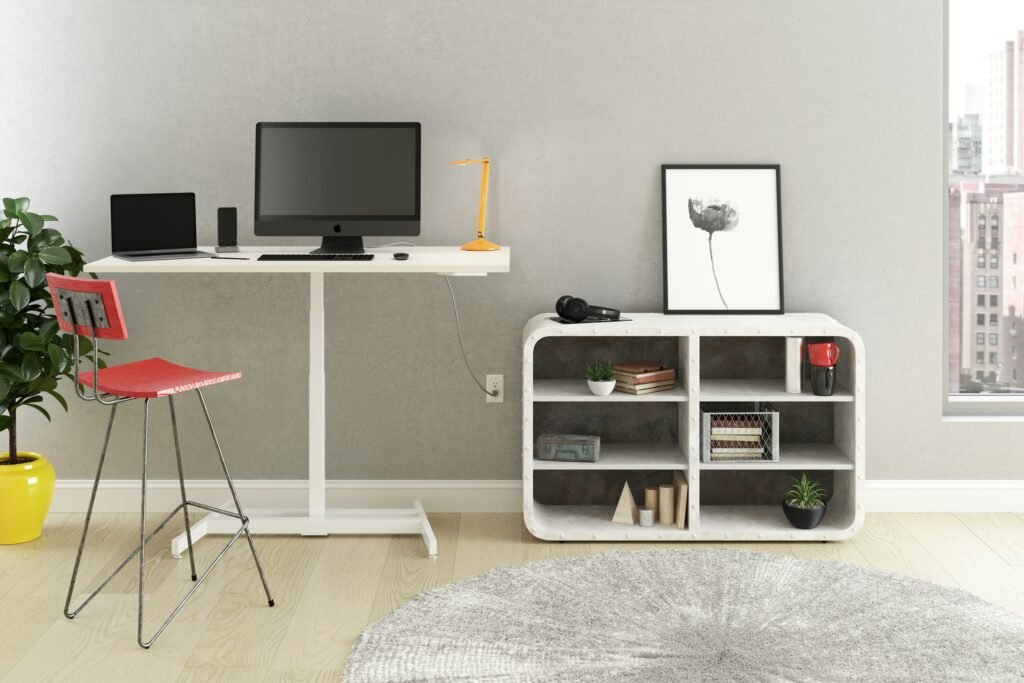
Open shelving units like the IKEA KALLAX can serve as room dividers that also provide storage, letting light and air pass through while creating a sense of separation between a sleeping area and a living area.
A consistent color palette within each zone further reinforces the separation. Keep the bedroom corner cool and calm. Let the living area be slightly warmer. Small differences in tone and texture signal a shift in purpose without needing physical barriers.
Smart Storage: Using Every Nook and Corner
In a small home, storage has to be clever and creative — getting the most out of every possible nook and cranny.
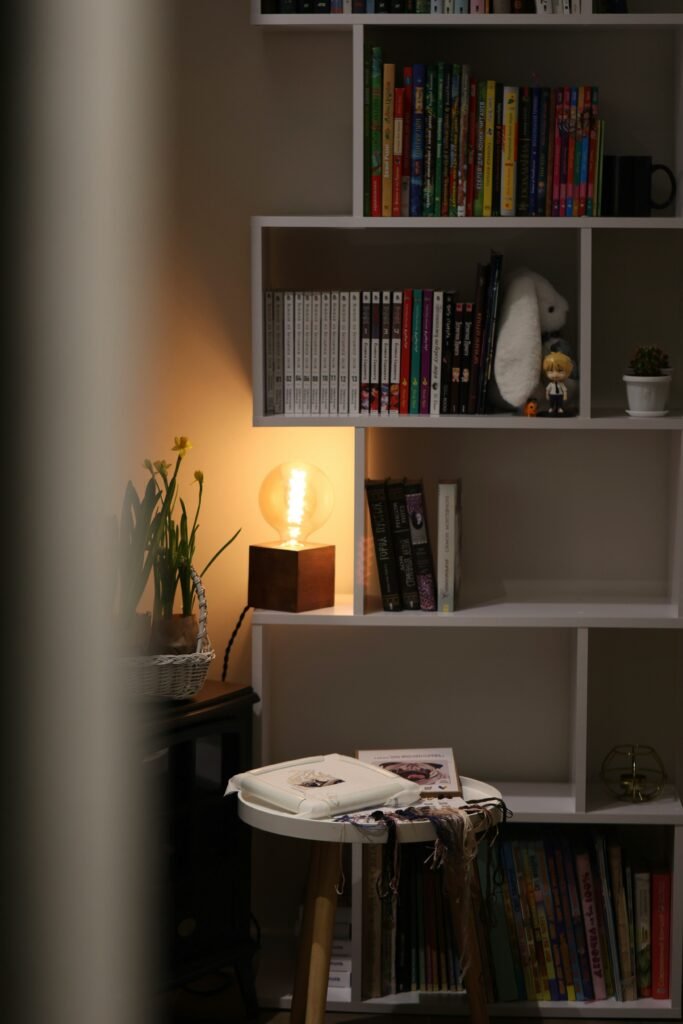
Corners are consistently underused. Most people leave corners empty or shove furniture into them awkwardly. Corner shelving units are one of the most efficient storage solutions available — they fit into dead space and provide real storage without encroaching on the center of the room.
Under the bed, under the stairs, above the refrigerator, behind the sofa — all of these are storage opportunities that go ignored in most homes. Slim rolling carts that slide under beds, over-the-door organizers, and wall-mounted hooks turn these forgotten areas into functional storage.
Sliding doors replace swing-out doors and instantly reclaim the floor space that a swinging door arc would occupy. For closets, wardrobes, or bathroom doors, this single swap can make a real difference in tight spaces.
A rolling cart — whether used in the kitchen, bathroom, or living room — is one of the most flexible storage solutions you can own. It stores items, adds counter space, and moves wherever you need it. When you’re done with it, it tucks away completely.
The Bedroom: Calm, Clutter-Free, and Functional
The bedroom is often the room that suffers most in a small home — because it has to do so much. It’s where you sleep, where you get dressed, and increasingly where you work.
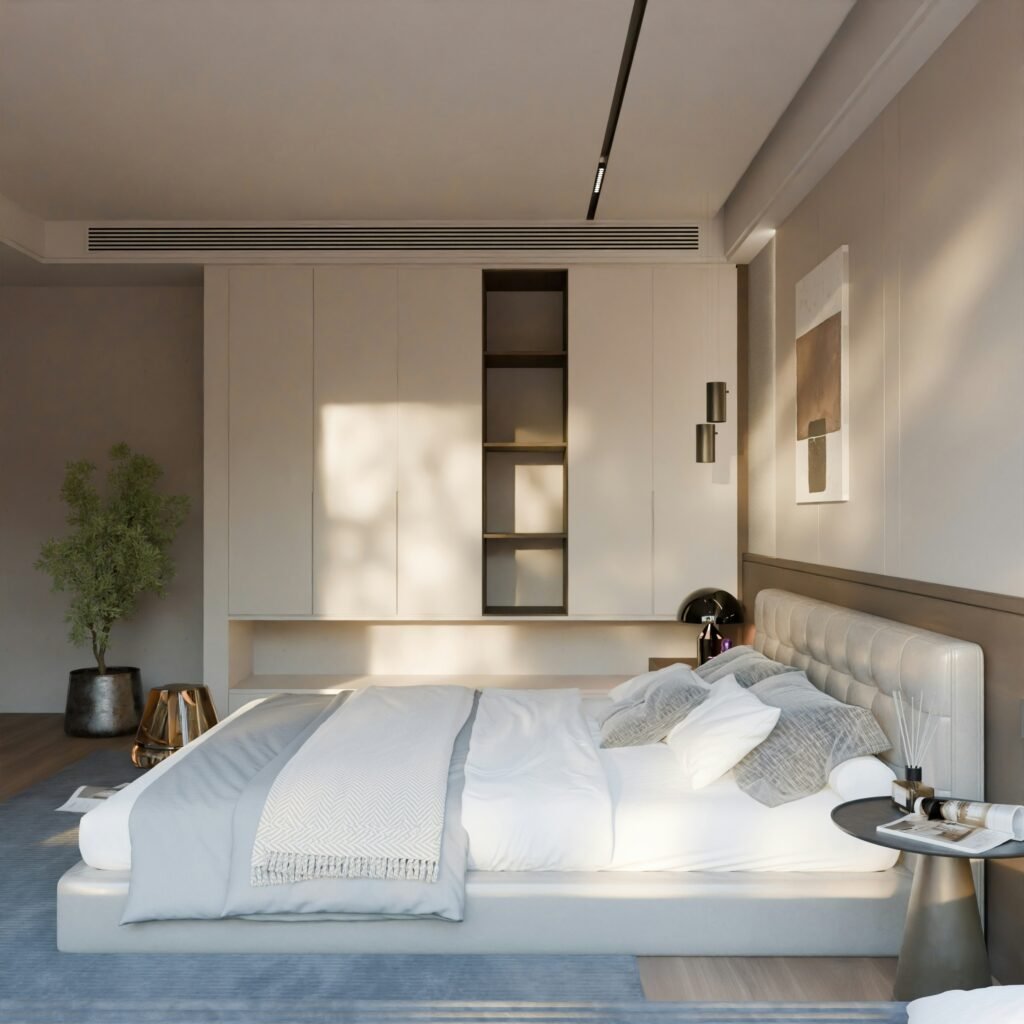
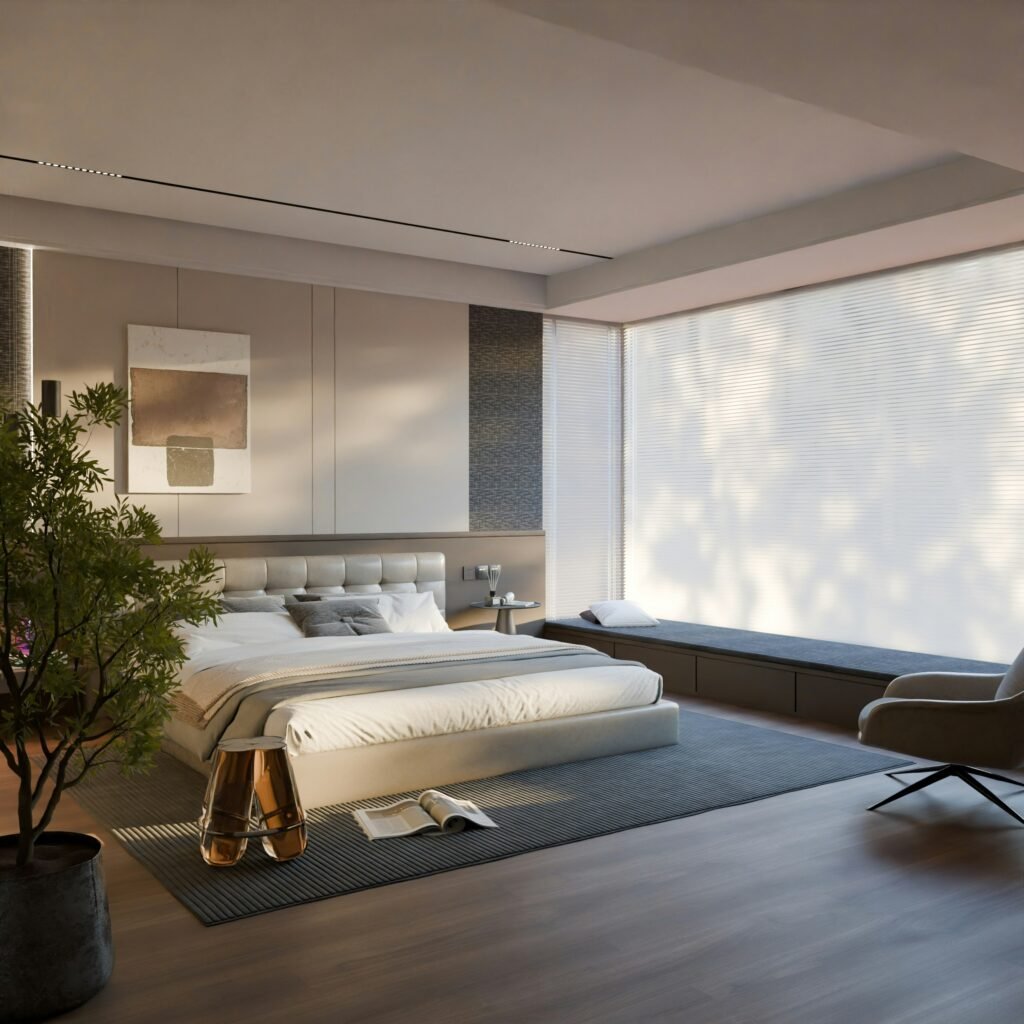
Keep it calm. The bedroom should feel like a retreat, not a storage unit. Keep only what genuinely belongs there. Slim wardrobes with sliding doors rather than bulky armoires make a significant difference in how open the room feels.
Mount shelves or floating cabinets above the headboard for books, a lamp, and a water glass — eliminating the need for bedside tables that eat into walking space.
Keep the color palette soft and consistent. Natural light in the morning, blackout curtains at night, and a rug that grounds the bed — these are the foundations of a small bedroom that feels intentional, not cramped.
Small Space Living Is a Skill
Maximizing a small home isn’t about owning the right products or following the right trends. It’s about developing a different relationship with your space — one built on intention, flexibility, and a willingness to experiment.
Move furniture around. Try a different layout. Take something out before you add something new. The homes that feel the most spacious and comfortable aren’t the ones with the most square footage. They’re the ones where every choice was made on purpose.
Small space living, done well, doesn’t feel small at all. It feels edited, calm, and completely yours.
.


Sup guys! Just wanted to drop a quick note about a2pkr. Been poking around the site and it seems pretty promising. Easy to navigate and loading times are quick. Plus, it’s got that certain something, ya know? Head over to a2pkr and see for yourself!