The right cup for your child isn’t just about stopping spills. It’s about safety, development, independence — and yes, a little bit of sanity for parents too.

The average family home has more cups than it needs and fewer of the right ones. This guide helps you cut through the clutter and find exactly what works — for every age, every stage, and every daily routine.
If you have kids, you have cups everywhere. On the counter, under the sofa, in the car, somehow in the garden. There’s the sippy cup your toddler refuses to drink from unless it’s the exact right color. The sports bottle your eight-year-old insists on taking everywhere. The novelty cup your mother-in-law bought that leaks every single time. And somewhere at the back of the cabinet, a matching set of family tumblers you bought with the best intentions that nobody actually uses.
Sound familiar? Most families have a cup problem — not a shortage of cups, but a shortage of the right cups. The ones that are safe, durable, age-appropriate, easy to clean, and actually get used consistently. This guide cuts through the clutter and gives you a clear, honest roadmap from your baby’s first cup all the way to the family tumblers that survive real daily life.
Why the right cup matters more than you think
It’s easy to dismiss cups as a minor detail — just something to drink from. But for children, the cup they use plays a genuine role in their development. The transition from bottle to sippy cup to open cup is a sequence of motor skill milestones. Choosing a cup that’s too advanced or not advanced enough for your child’s stage can make drinking more frustrating than it needs to be — for them and for you.
There’s also a safety dimension that parents can’t afford to overlook. Not all cups marketed at children are created equal. Materials matter enormously — BPA, phthalates, and other plasticizers have no place in a child’s drinkware. Lids and valves need to be easy to clean thoroughly, because mold in a cup lid is a genuine health concern that’s more common than most parents realize. And drop-resistance matters in a way it simply doesn’t for adult cups — because children drop things. Constantly. Enthusiastically.
Safety first
Always check that cups are labeled BPA-free, phthalate-free, and food-grade. Stainless steel and silicone are the safest materials for children’s cups — they don’t leach chemicals even when scratched or worn.
A cup for every age: what to use and when
Children’s drinkware needs change rapidly in the first few years of life. What works brilliantly at six months is actively unhelpful at two years. Here’s a clear guide to what’s appropriate at each stage.
0–6 months
Bottle only
Breast or formula feeding. No cup needed yet.
6–9 months
Soft-spout sippy cup
Introduce water with meals. Soft spout mimics bottle feel.
9–18 months
360° trainer cup
Drinks from any edge. Builds toward open-cup drinking naturally.
18m–3 years
Straw cup or open cup
Straw drinking develops oral motor skills. Introduce open cups at mealtimes.
3–6 years
Small open cup + lidded cup for out
Open cups at home, lidded or straw cups for school and travel.
6+ years
Insulated water bottle
Keeps drinks cold all day. Ideal for school, sports, and outdoor activities.
The six types of kids’ cups every parent should know
The kids’ drinkware market is enormous and often confusing. Here’s a clear breakdown of the main types, what they’re designed for, and who they’re best suited to.
Soft-spout sippy cup
The classic first cup. Soft silicone spout feels familiar to babies transitioning from bottles. Best for 6–12 months.
360° trainer cup
No spout, drinks from any edge. Teaches open-cup behavior while preventing spills. Great for 9–18 months.
Straw cup
Develops oral motor skills and tongue control. Easier than open cups for active toddlers on the go.
School water bottle
Insulated stainless steel keeps water cold all day. Leak-proof lid, easy one-hand open. Built for school bags.
Sports bottle
Wide mouth for fast drinking, easy to clean, often with a carry loop. Perfect for sport, play, and outdoor adventures.
Family tumbler
Durable, dishwasher-safe, stackable. The everyday cup that survives real family life — for adults and older kids alike.
What to look for when buying kids’ cups
With so many options on the market, knowing what actually matters when choosing a cup saves you both money and frustration. These are the features worth paying attention to — and the ones you can safely ignore.
Material is the most important factor. Stainless steel is the gold standard for children’s cups — it’s durable, non-toxic, doesn’t retain flavors or odors, and keeps drinks at the right temperature for hours. High-quality food-grade silicone is excellent for spouts, straws, and lids. Tritan plastic — a BPA-free, shatter-resistant plastic used by many reputable brands — is a good option when you need something lighter. Avoid older plastic cups that don’t clearly state they’re free of BPA and phthalates.
Ease of cleaning is the second most important factor, and the one parents most often underestimate when buying. A cup with seven removable parts might look impressive on the shelf, but reassembling it correctly at 7am while also making packed lunches is its own special kind of stress. Look for cups with as few components as possible that can go in the dishwasher. At minimum, the lid and straw should be fully disassembled and dishwasher-safe.
Cleaning tip
Use a thin straw-cleaning brush on all straw cups at least once a week — even dishwasher-safe ones. Mold builds up inside straws faster than anywhere else and can be invisible until it’s a real problem.
The family cup situation: making it work for everyone
Beyond the kids’ specific cups, every family needs a set of everyday cups that work for the whole household — durable enough for daily use, dishwasher-safe, stackable, and not precious enough that you worry when they inevitably get knocked over. Getting this right simplifies a lot of daily kitchen chaos.
The temptation is to buy a matching set of beautiful glasses that look great in the cabinet. And they do look great — right up until the first time a nine-year-old pours their own juice and misjudges the distance to the counter. For family everyday use, tempered glass tumblers or high-quality plastic tumblers are the practical choice. They look good, they’re genuinely robust, and they survive the kind of handling that real family life involves.
Assigning each family member their own cup — a specific color, design, or labeled cup — is one of those organizational ideas that sounds small but makes a meaningful difference. It dramatically reduces the number of cups used per day (no more grabbing a fresh cup every time), which means fewer dishes, less clutter on the counter, and a dishwasher that isn’t perpetually full of cups alone.
“The best family cup is the one everyone actually uses — durable enough to survive kids, simple enough to clean without thinking, and personal enough that nobody loses track of whose is whose.”
— Every organized family kitchen, distilled into one sentence
Keeping cups organized as a family
Even the best cups become a source of chaos if they’re not stored sensibly. Most family kitchens have a cabinet dedicated to cups and glasses that gradually becomes an unstable tower of mismatched drinkware. A little intentional organization fixes this permanently.
Keep kids’ cups on a low, accessible shelf or in a low cabinet drawer so children can get their own drink independently. This one change alone — giving children access to their own cups — reduces interruptions during cooking significantly and teaches them valuable independence. Label each child’s cup or assign colors consistently so there’s never an argument about whose is whose.
Family cup organization checklist
Each family member has one assigned everyday cup
Kids’ cups stored at child-accessible height
All cup lids stored together in one place
Straws cleaned weekly with a straw brush
School water bottles cleaned and dried every evening
Novelty or rarely used cups stored out of daily rotation
Mismatched lids and lidless containers removed
When to replace kids’ cups
Kids’ cups don’t last forever, and knowing when to replace them is important for both safety and hygiene. Stainless steel cups can last for years with proper care, but silicone components — spouts, straws, and gaskets — should be replaced every three to six months, or sooner if they show any signs of cracking, discoloration, or a persistent smell that won’t wash out. Even tiny cracks in silicone harbor bacteria that cleaning can’t fully remove.
Plastic cups should be replaced if they develop any scratches on the interior surface — scratches create places where bacteria can accumulate and are nearly impossible to sanitize fully. If a cup has survived a dishwasher cycle and come out warped or cloudy, it’s time for a new one. Good stainless steel and high-quality plastic cups cost very little — replacing them regularly is genuinely worth it.
The cup your family actually needs
The perfect family cup collection isn’t enormous — it’s curated. A soft-spout cup for the baby. A 360° trainer for the toddler. A straw cup for the preschooler. A good insulated water bottle for the school-age child. A set of durable tumblers for everyday family use. That’s it. Everything else is clutter.
When every cup in your cabinet earns its place — safe, age-appropriate, easy to clean, and actually used — the morning routine gets smoother, the counter gets clearer, and the cabinet stops being an avalanche waiting to happen. Start with the cup that’s causing the most frustration in your household right now, replace it with something genuinely good, and work from there. Your family will notice the difference. So will your floors.
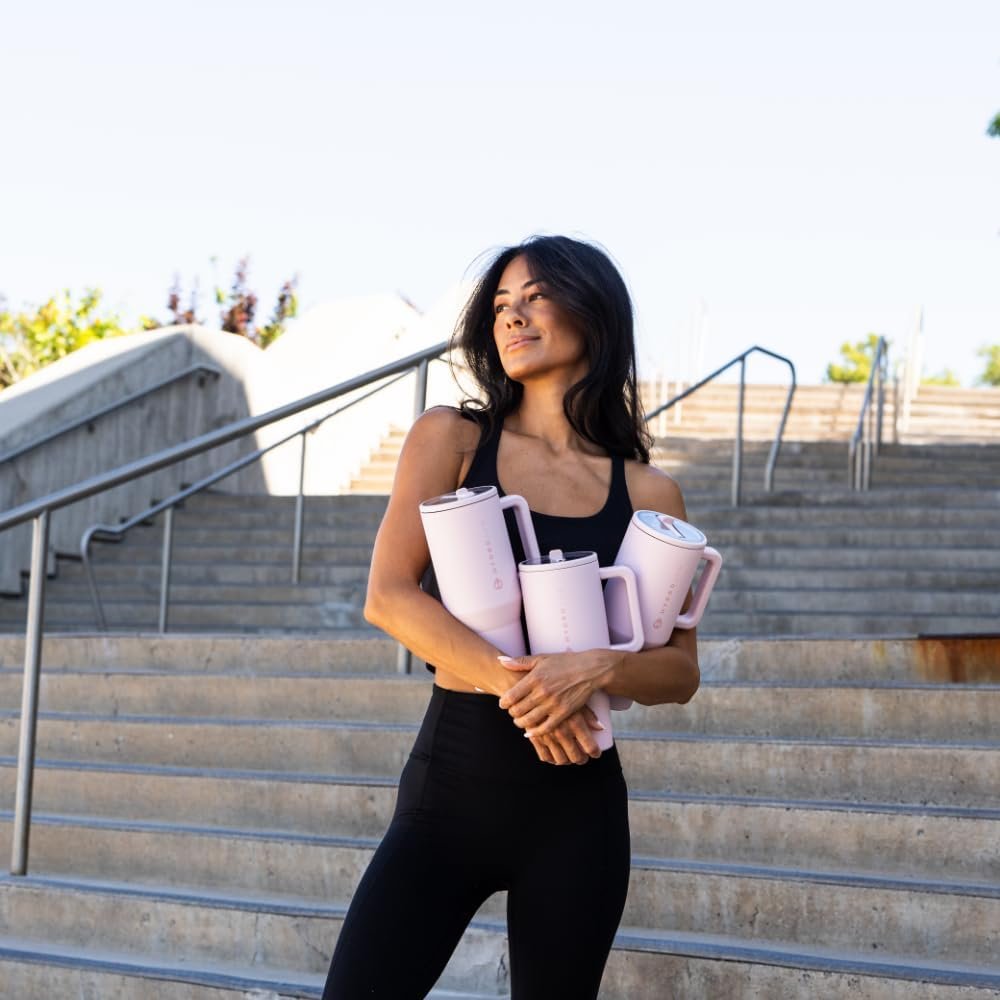
HydroJug Traveler 32 oz – Simple, Stylish Hydration
The HydroJug Traveler 32 oz Water Bottle (Pink Sand) is a perfect everyday companion for staying hydrated. Its sleek design fits easily in car cup holders, while the flip straw lid and comfortable handle make it super convenient to use on the go.
With insulated stainless steel, it keeps your drinks cold for hours, and the leak-resistant design means no spills in your bag. Plus, the soft Pink Sand color adds a trendy touch.
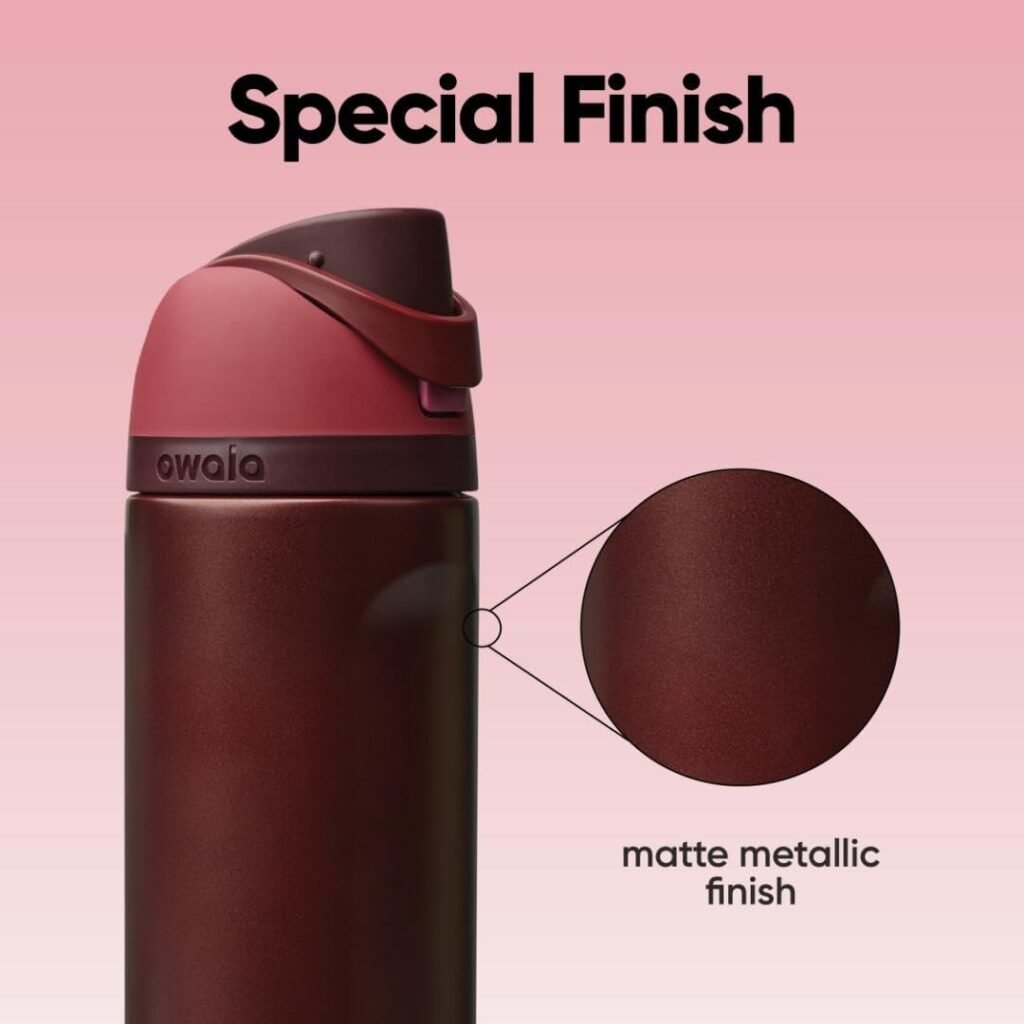
Owala FreeSip 24 oz – Smart Hydration Made Easy
The Owala FreeSip 24 oz (Black Cherry) is designed for convenience and style. Its standout feature is the FreeSip spout, letting you sip through a straw or take a quick swig—whatever suits your moment.
Built with double-wall insulated stainless steel, it keeps your drinks cold for up to 24 hours, making it perfect for travel, gym, or daily use.
The push-button lid with lock ensures it’s completely leak-proof, while the carry loop makes it easy to take anywhere. Plus, it’s BPA-free and safe, so you can hydrate with confidence.
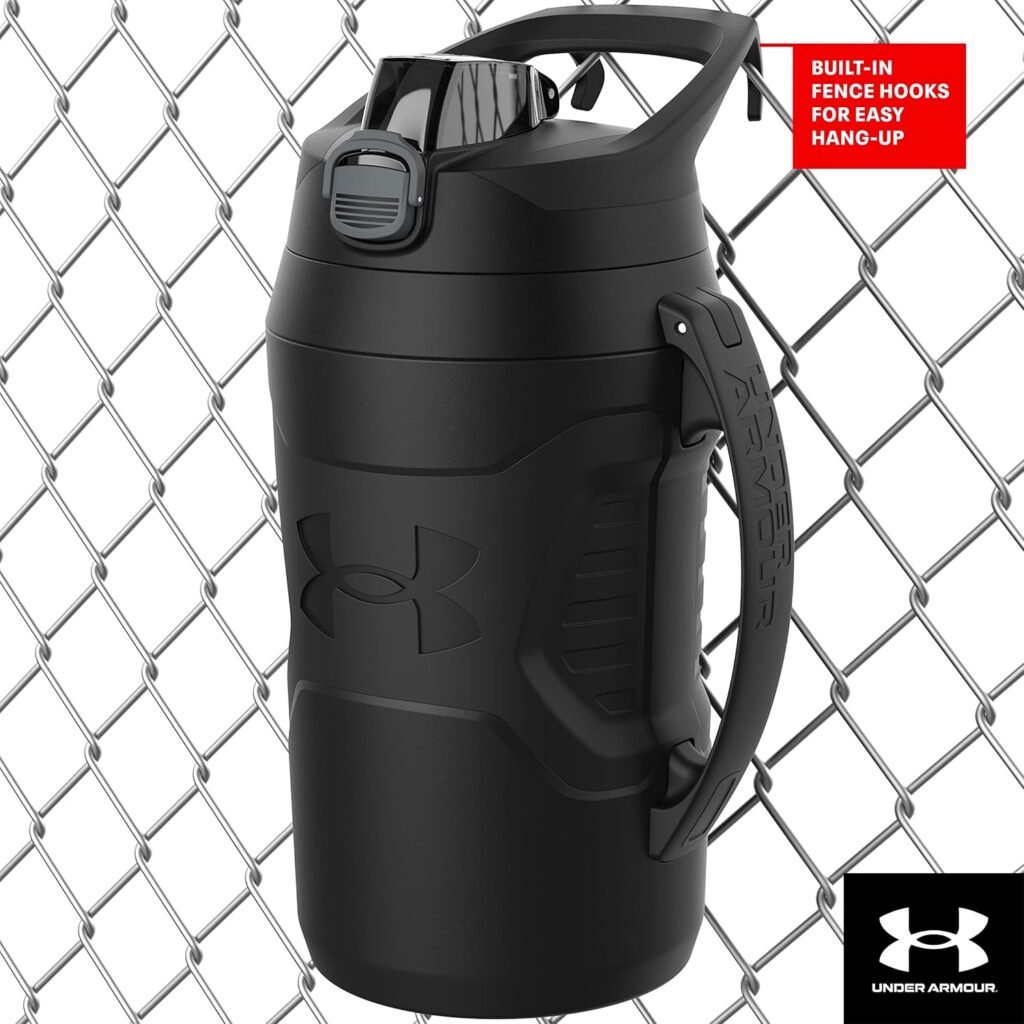
Built for the Game: Under Armour 64oz Insulated Water Bottle
If you’re serious about staying hydrated during long workouts or game days, the Under Armour 64oz Water Bottle is made for you. With its half-gallon capacity, you won’t need constant refills—perfect for sports like baseball, football, or gym sessions.
It features foam insulation that keeps your drink cold for hours, even in hot conditions. The built-in fence hook is a standout, letting you hang it easily during matches, while the strong handle makes carrying effortless.
The lockable, leak-resistant lid keeps spills away and ensures a clean drinking experience. Plus, its durable design and non-slip grip make it tough enough for everyday athletic use.
Final Thought: A powerful, no-nonsense hydration jug—perfect for athletes who need more water, less hassle.
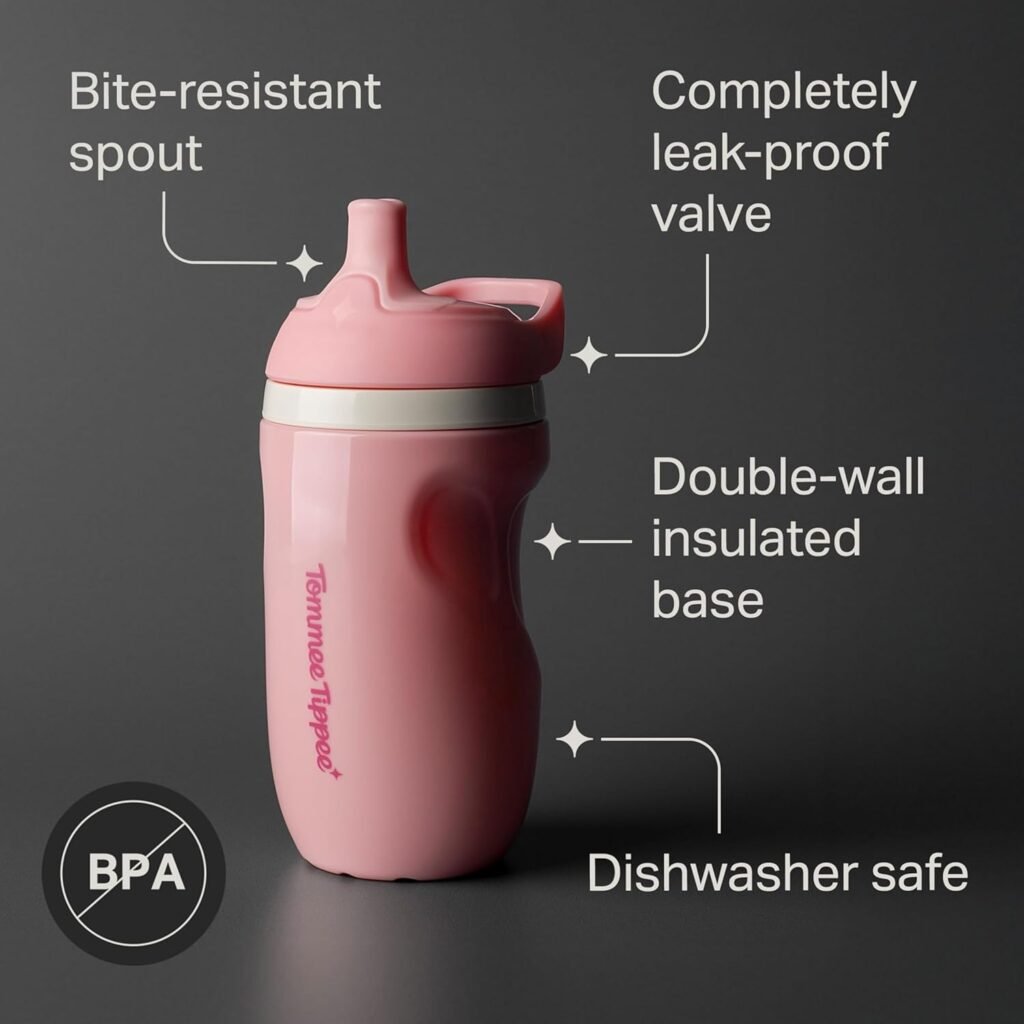
Easy Sips for Little Ones: Tommee Tippee Toddler Bottle
The Tommee Tippee 9oz Sporty Spout Bottle (Pack of 2) is perfect for toddlers learning to drink on their own. Its soft spout and easy-grip design make it comfortable for small hands.
With a two-piece anti-spill valve, it helps prevent leaks and messes, while the insulated design keeps drinks cool longer. Plus, it’s BPA-free and safe for everyday use.
✨ Final Thought: A simple, spill-proof solution to keep your toddler happy and hydrated.